
Arkedge Space Advances Vdes Satellite Testing With Ae1a Antenna Deployment


ArkEdge Space says its operating micro-satellite AE1a has now unfolded its VDES antenna in orbit, a key step for proving the communications system can work as intended above Earth. That matters because the antenna handles very high frequency radio links tied to next-generation maritime data exchange, and successful deployment clears the way for on-orbit checks of the signal path.
AE1a Reaches an Important Hardware Milestone
The deployed antenna sits at the center of the VHF Data Exchange System, or VDES, which is designed to support modern communication for ships and related infrastructure. VDES stands for VHF Data Exchange System, and it is built to move more maritime data than AIS alone can handle. From a systems view, this is the sort of checkpoint I read like a map layer coming into alignment. Once the antenna is physically in place, engineers can move from basic readiness to actual verification of communication in orbit.
ArkEdge Space built AE1a on a version of its standard 6U satellite bus and fitted it with a deployable VHF-band antenna for both transmission and reception. The spacecraft was prepared as a technology demonstrator for wide-area vessel tracking in near real time, along with maritime communications that depend on reliable radio data handling. With the antenna now extended, the project can shift beyond tests centered mainly on reception and begin evaluating full two-way communication through the transceiver chain.
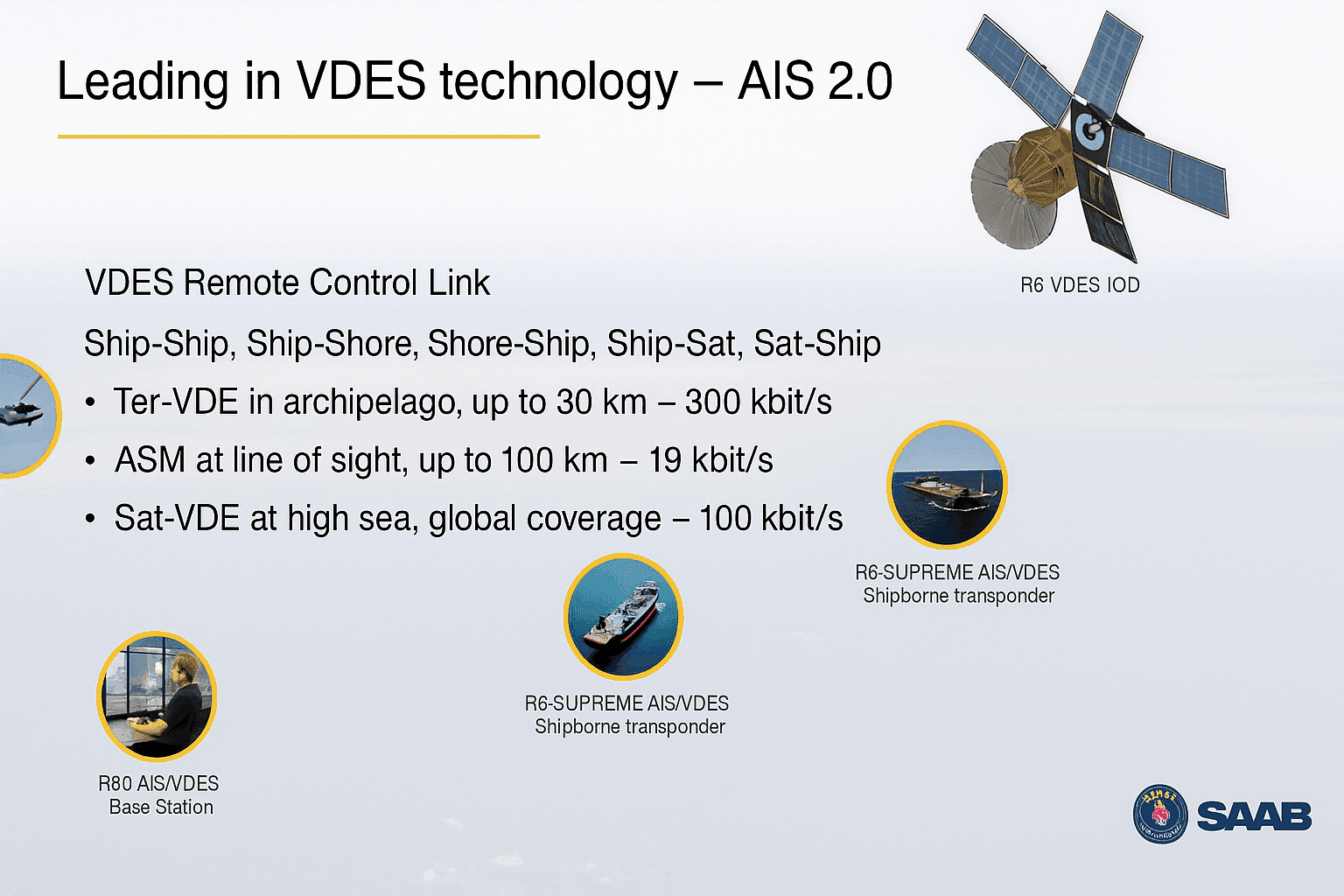
At a basic level, VDES works by using VHF channels to carry digital traffic between ships, shore stations, and satellites. AIS mainly broadcasts identification and position reports, while VDES is meant to add stronger data exchange capacity and support two-way links over a broader operating model. That gives it practical benefits such as handling more traffic in busy sea lanes and supporting richer message delivery where simple AIS broadcasts reach their limits.
Path Toward a Future VDES Constellation
The company has been pushing VDES demonstration work across more than one satellite, and this latest result gives that broader effort a firmer technical base. In practical terms, getting a deployable antenna to perform in orbit is one of those details that can shape the whole mission timeline, and early hardware events like this are often confirmed within a fairly short review window before deeper validation starts.
ArkEdge Space said it will continue validation work alongside satellites already operating in orbit. The goal is to keep refining the technology and build toward a future VDES constellation. The near-term path appears to center on in-orbit signal checks and transceiver validation, then broader service testing if those results hold. Typical users include vessel operators and maritime authorities. The system uses VHF maritime spectrum, with channels allocated for AIS and added VDES data services. In technical terms, that means pairing familiar ship reporting with higher-capacity messaging over terrestrial links and satellite links. Real-world progress is still largely in the test-bed stage, with demonstration satellites like AE1a helping show whether the architecture can scale. For more detail, the most useful material usually comes from ArkEdge Space updates and maritime communications standards documents.


